
Staminas Not As Strong As Before?
Understanding changes in male stamina and vitality and male vitality after 40. Comprehensive information on what affects your stamina quality, stability, and duration—and how circulation plays a crucial role.
The information on this site is for educational purposes only and does not constitute medical advice. Always consult a qualified healthcare professional before making health decisions.
What We Cover
Vigoren is an informational platform dedicated to understanding men's health, male stamina and vitality, and vitality changes. Explore evidence-based content on the factors that influence stamina quality and stability.
Stamina Quality
Understanding why staminas may become weaker, less stable, or shorter in duration as men age beyond 40.
Circulation & Blood Flow
How cardiovascular health and proper circulation directly influence male stamina and vitality and male vitality.
Lifestyle Factors
The role of stress, sleep quality, physical activity, nutrition, and other habits in maintaining physical vitality and health.
Age & Changes
Exploring how staminas naturally change after 40–45 and what factors determine the degree of change.
Has Your Stamina Become Less Stable?
Many men after 40 notice changes in their male stamina and vitality—staminas that are not as firm as before, become less predictable, or do not last as long during physical activity. This is a common experience, and it is not always simply about age. The causes are often multifactorial, involving circulation, hormonal balance, cardiovascular health, stress levels, sleep quality, and lifestyle choices.
Understanding what influences male stamina and vitality is the first step toward addressing concerns about vitality. Vigoren provides evidence-based information to help you recognize the factors that may be affecting your stamina quality and stability. We explore the connection between circulation and men's health, the impact of physical and mental well-being, and what research tells us about maintaining male stamina and vitality as you age.
This is not about assurances or quick fixes—it is about understanding the mechanics of physical vitality and health, learning how your body works, and discovering what lifestyle and health choices may support your physical vitality over time. Our content is designed to be informational and educational, helping you make informed decisions about your health.

Factors That Influence Male Stamina and Vitality
Male stamina and vitality depends on the interaction of multiple systems in your body. Understanding these factors helps explain why staminas may change over time.
Circulation & Blood Flow
A strong stamina requires adequate blood flow to the body. As men age, blood vessels may become stiffer, circulation may decrease, and male stamina and vitality can be compromised. Maintaining cardiovascular health is essential for stamina stability and duration.
Heart & Vascular Health
Heart disease, high blood pressure, and high cholesterol can all affect male stamina and vitality. The health of your cardiovascular system directly determines how efficiently blood reaches the vitality tissue and how well staminas are maintained.
Hormonal Balance
Testosterone and other hormones play important roles in energy levels and male stamina and vitality. Changes in hormonal levels can contribute to weaker or less stable staminas. Age, stress, and overall health affect hormonal balance.
Stress & Anxiety
Chronic stress and anxiety trigger the release of hormones that constrict blood vessels, reducing blood flow to the body. Psychological factors can significantly impact stamina quality, stability, and duration. Stress management is crucial for maintaining male stamina and vitality.
Sleep Quality
Poor sleep disrupts hormone production, increases stress, and impairs cardiovascular function. Quality sleep is when many restorative processes occur, including testosterone regulation. Inadequate sleep is linked to weaker and less stable staminas.
Physical Activity
Regular exercise strengthens the cardiovascular system, improves circulation, and supports healthy blood vessel function. Physical activity also helps manage stress and improves sleep quality—all of which contribute to better male stamina and vitality and longer-lasting staminas.

Does Your Stamina Last For A Shorter Time?
Stamina duration—how long an stamina is maintained—is directly related to blood flow and the body's ability to sustain adequate pressure within the vitality tissue. When men notice their staminas do not last as long as they used to, it often reflects changes in vascular function, stamina, or neurological signaling.
Shorter stamina duration can result from several factors: reduced cardiovascular endurance, decreased nitric oxide production (which relaxes blood vessel walls), hormonal changes, increased anxiety or performance pressure, or simply the natural physiological changes that occur with age. However, it is important to note that age itself is not destiny—many men maintain excellent male stamina and vitality well into their 50s, 60s, and beyond through attention to health and lifestyle.
Understanding the mechanisms behind stamina maintenance helps you recognize which factors in your life may be contributing to this change. From cardiovascular fitness to stress management to sleep and nutrition, each element plays a role in how long your stamina can be sustained.
Learn More in Our ArticlesWhat Changes In Male Vitality After 40-45?
Age brings natural physiological changes. Here is what research tells us about how male stamina and vitality typically evolves and what factors determine the extent of change.
Decreased Rigidity & Firmness
Many men after 40 report that their staminas are not as rigid or firm as they were in their 20s and 30s. This is often due to reduced blood vessel elasticity, decreased blood flow to the body, or lower nitric oxide production. While some decline is common, the degree varies greatly depending on cardiovascular health, lifestyle, and genetics.
Increased Time To Achieve Stamina
It may take longer to achieve a full stamina after physical stimulation. This is not always a sign of fatigue—it is a normal age-related change in how quickly the nervous system and vascular system respond. Understanding this helps reduce anxiety and performance pressure, which can further delay stamina.
Shorter Duration of Stamina
Staminas may not be sustained as long during physical activity. This is linked to changes in muscle tone in the vitality tissue, alterations in blood flow regulation, and sometimes increased sensitivity or premature events. The ability to maintain an stamina is influenced by both physical and psychological factors.
Greater Sensitivity To Lifestyle Factors
After 40, staminas become more noticeably affected by stress, poor sleep, alcohol use, dietary choices, and exercise habits. What might have been tolerable in your 20s—a bad night's sleep, high stress—now has a more visible impact on male stamina and vitality. This is actually valuable feedback that encourages healthier lifestyle choices.
Variability & Inconsistency
Staminas may become less predictable—sometimes quite firm and lasting, other times weaker or shorter, with no obvious external change. This inconsistency can be frustrating but is common. It reflects the complexity of male stamina and vitality and the interplay of multiple biological systems. Understanding this variability can reduce unnecessary worry.
Important: While these changes are common after 40, they are not inevitable. Men who maintain excellent cardiovascular fitness, manage stress, sleep well, eat nutritiously, and stay physically active often experience minimal decline in male stamina and vitality. Conversely, men with cardiovascular disease, uncontrolled diabetes, or significant psychological stress may experience more pronounced changes. The degree of change is highly individual and depends on multiple factors beyond age alone.
Is It Harder To Maintain An Stamina?
Difficulty maintaining stamina is one of the most common concerns men report when discussing changes in vitality. This is not the same as being unable to achieve optimal stamina—instead, it refers to the loss of firmness or the inability to sustain the stamina throughout physical activity. The mechanisms behind this are complex and involve multiple body systems.
When an stamina is difficult to maintain, it often points to issues with sustained blood flow, the body's ability to keep blood trapped in the vitality tissue, or psychological factors such as anxiety or distraction. The smooth muscle in the body must remain relaxed to allow blood to fill the tissue, and it must remain contracted to trap that blood and maintain firmness. Any disruption in this process can lead to loss of stamina during physical activity.
The good news is that difficulty maintaining stamina is often responsive to improvements in health and lifestyle. Stronger cardiovascular fitness, better circulation, stress reduction, improved sleep, and psychological confidence all support the ability to maintain staminas. Understanding the specific factors affecting your situation is the first step toward addressing the issue.
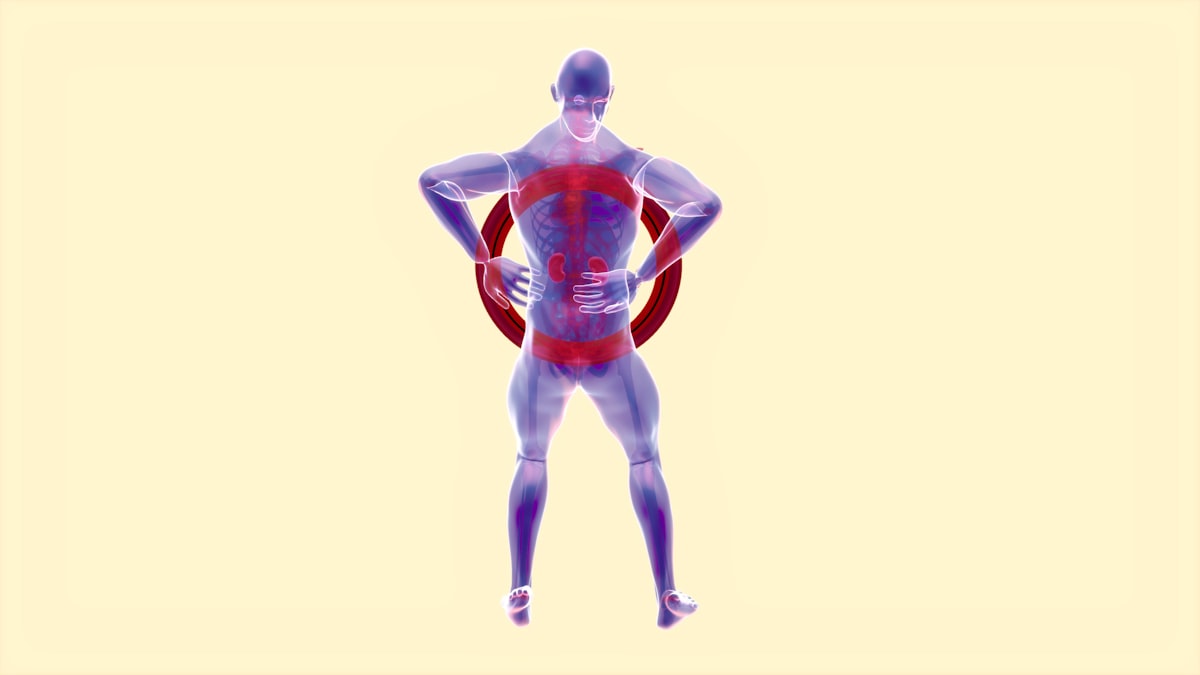
Understanding Unstable Staminas
Stamina instability—unpredictable variations in hardness and firmness—is a common complaint. Here is what causes it and what you should know.
Why Staminas Become Unstable
Inconsistent Blood Flow
When blood vessels are not functioning optimally, blood supply to the body may fluctuate, causing staminas to vary in firmness from one occasion to another, or even during a single episode.
Psychological Factors
Anxiety, performance pressure, relationship stress, or distraction can cause the nervous system to trigger blood vessel constriction, leading to loss of stamina or unstable firmness.
Hormonal Fluctuations
Day-to-day variations in testosterone, cortisol, and other hormones can result in staminas that are sometimes firm and other times less so, particularly noticeable after 40.
Daily Lifestyle Variables
Sleep the night before, stress levels that day, alcohol consumption, exercise, and meals all influence male stamina and vitality. Variability is expected based on these daily factors.
Vascular Rigidity
As blood vessel walls become stiffer with age or disease, they may not respond consistently to the signals that trigger stamina, leading to unpredictable results.
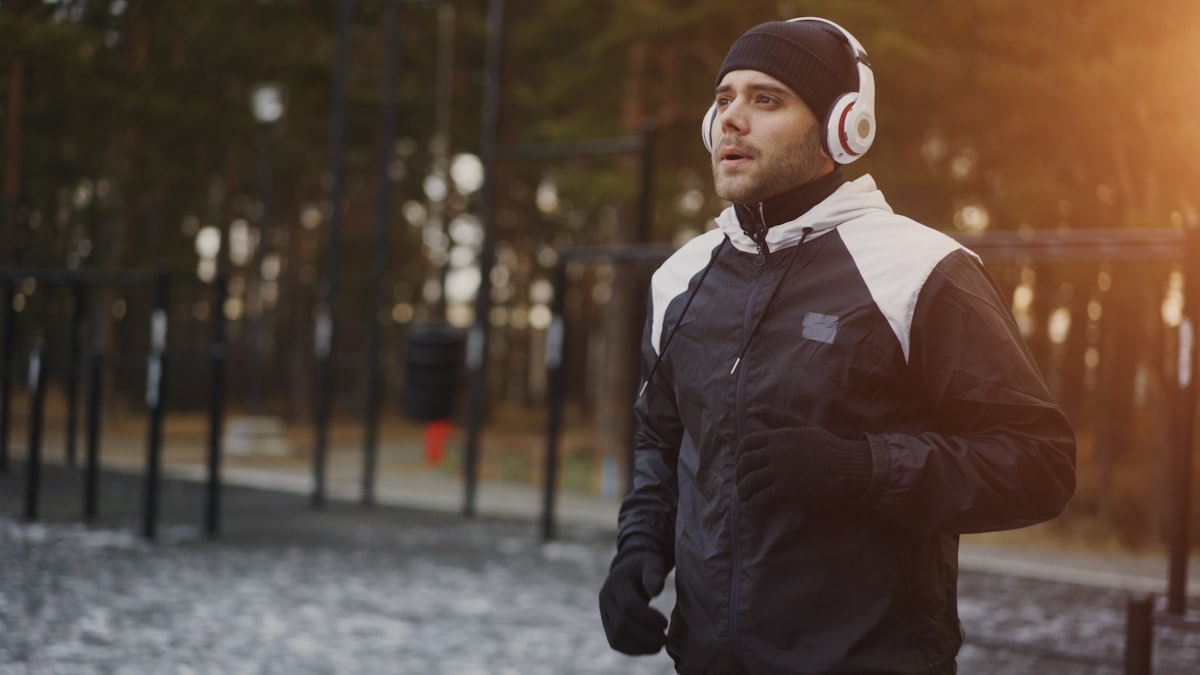

The Critical Role Of Circulation In Male Vitality
An stamina is fundamentally a vascular event—it depends on blood flow. When a man becomes physically aroused, the arteries supplying blood to the body dilate (expand) while the veins draining blood constrict (narrow). This traps blood in the vitality tissue, creating rigidity. The entire process depends on healthy, responsive blood vessels and adequate blood flow.
As men age beyond 40, changes in the blood vessels and circulatory system often begin to occur. Arteries may become stiffer (arteriosclerosis), plaque may build up in vessel walls, or blood pressure regulation may become impaired. These changes reduce the ability of blood vessels to dilate fully, limit blood flow to the body, and compromise stamina quality and stability.
Moreover, the endothelium—the inner lining of blood vessels—produces nitric oxide, a crucial molecule that relaxes smooth muscle and allows vasodilation. As men age or develop cardiovascular disease, nitric oxide production may decline, further impairing the blood flow response needed for a strong stamina.
This is why cardiovascular health is so tightly linked to male stamina and vitality. Men who maintain excellent circulation through exercise, healthy diet, stress management, and avoiding smoking are far more likely to preserve strong, stable staminas as they age. Conversely, men with high blood pressure, high cholesterol, or other cardiovascular conditions often experience notable changes in vitality.
Read Detailed ArticlesHow Lifestyle Choices Impact Stamina Quality
While age brings natural changes, your daily choices significantly influence how those changes manifest. Here is what the research shows.
Regular Exercise
Studies consistently show that men who exercise regularly—especially aerobic exercise that improves cardiovascular fitness—have stronger and more stable staminas. Exercise increases nitric oxide production, improves blood vessel function, reduces stress, and helps maintain healthy weight and hormone levels. Even moderate activity like brisk walking 30 minutes daily can impact male stamina and vitality positively.
Quality Sleep
Sleep is when critical physiological processes occur, including hormone regulation and vascular repair. Men who sleep 7–8 hours nightly have better male stamina and vitality than those who are chronically sleep-deprived. Poor sleep elevates cortisol (stress hormone), disrupts testosterone production, and impairs blood vessel function—all of which harm staminas.
Healthy Diet
A diet rich in vegetables, fruits, whole grains, lean proteins, and healthy fats supports cardiovascular health and prevents chronic diseases.
Sleep & Recovery
Quality sleep is essential for muscle recovery, hormone regulation, and mental clarity. Aim for 7-9 hours of quality sleep each night.
Mental Wellness
Stress management through meditation, mindfulness, and relaxation techniques supports overall well-being and fitness success.
Consistency
Success comes from staying committed to your fitness journey. Small daily efforts compound into significant results over time.
What Our Members Say
Real transformations from real people who chose Vigoren
"Vigoren transformed my fitness journey. The personalized coaching and community support made all the difference. I've never felt stronger!"
Sarah Martinez
Fitness Enthusiast
"As a beginner, I was intimidated to start. But the Vigoren team made me feel welcome and guided me every step of the way. Highly recommend!"
James Chen
Business Owner
"The results speak for themselves. I lost significant weight, gained muscle, and most importantly, found a healthy lifestyle I can maintain for life."
Emily Rodriguez
Health Coach
Ready to Transform Your Life?
Join thousands of members who've discovered their strength with Vigoren. Start your fitness journey today!
Frequently Asked Questions
Find answers to common questions about Vigoren
Vigoren is designed for all fitness levels, from complete beginners to advanced athletes. Our trainers customize programs to match your current ability and goals.
We recommend 3-5 training sessions per week for optimal results. However, the frequency depends on your goals and fitness level. Our coaches will create a schedule that works best for you.
Yes! Our certified nutrition spepharmaceutical optionsts provide personalized meal plans and dietary guidance to complement your training program and help you achieve your goals faster.
We offer flexible membership options with no long-term contracts. You can cancel anytime with 30 days' notice. We're confident you'll love Vigoren!
Absolutely! We offer a variety of group fitness classes including HIIT, yoga, strength training, and more. You can mix group classes with personalized one-on-one coaching.